



From UNESCO Policy Forum: Iraqi Proposals to Include ISIS Crimes in the Memory of the World Register
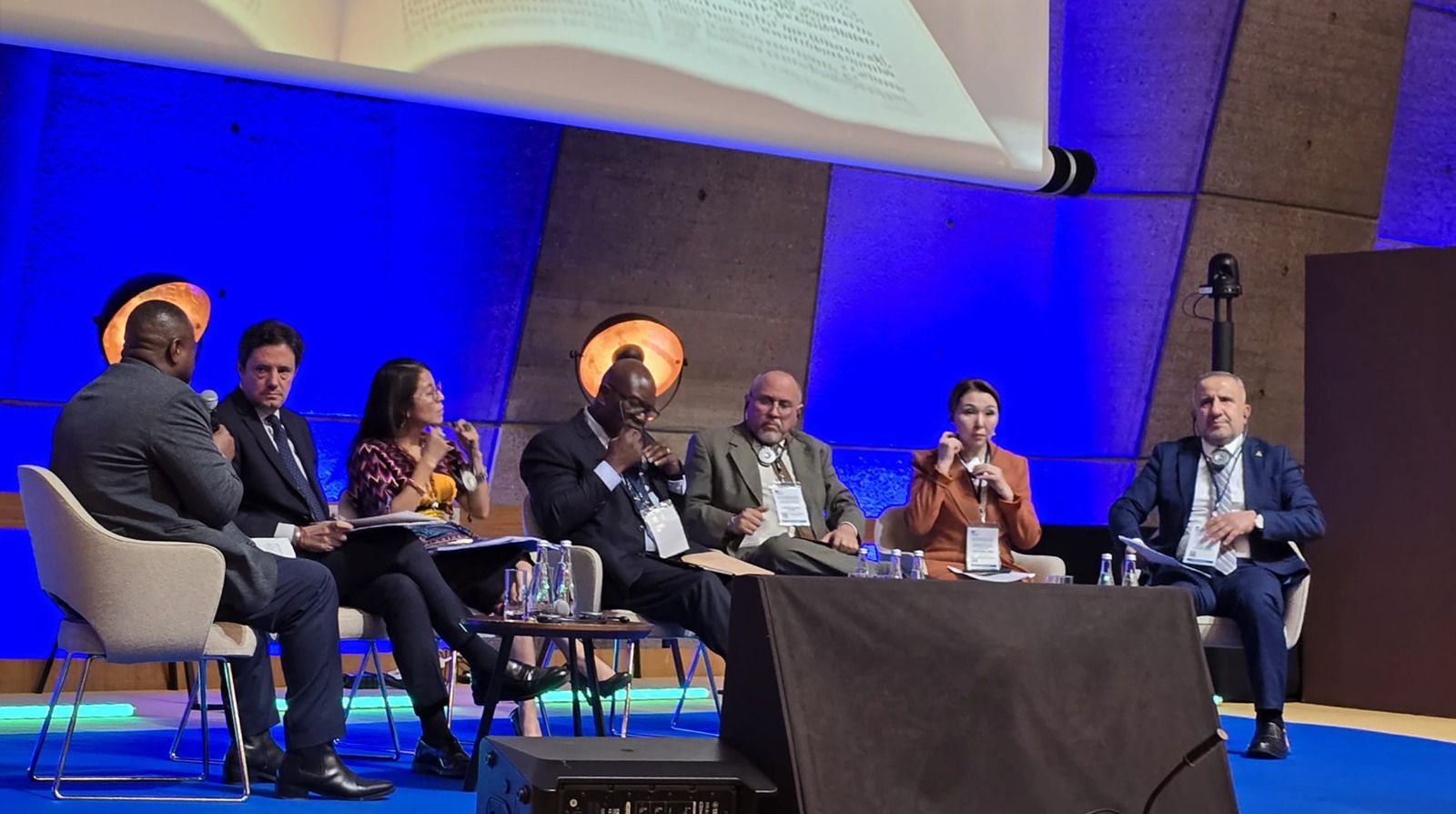
Baghdad / NINA / -Iraq participated in the work of the fourth policy forum of the United Nations Educational, Scientific and Cultural Organization (UNESCO) on documentary heritage and the "Memory of the World" program, held in Paris from October 27 to 30, in the presence of a number of policy makers, government representatives and documentary heritage experts, with the aim of discussing the role of documentary heritage in enhancing international understanding and cooperation.
During the forum, Iraq highlighted its recent experiences in preserving documentary heritage, and presented efforts to prepare files to include components of Iraqi memory in the Memory of the World Register.
The Iraqi delegation to this important international event was headed by "Ali Razouki Al-Lami, Deputy Director of the Prime Minister's Office" and Chairman of the Iraqi Committee for the Memory of the World Register, which is currently working to include ISIS crimes in Iraq in this global register.
Al-Lami stressed, during the first session of the forum, that "documentary heritage is a living memory that transcends borders and calls for sympathy and mutual understanding among peoples."
He added that "documentary heritage is not just a record of the past, but a bridge for mutual understanding, as it documents Iraq's experience and challenges, especially in confronting the terrorist organization ISIS," noting that "the "Memory of the World Register" program provides an opportunity for the global audience to learn about the lessons learned from Iraq's experiences in confronting terrorism."
Al-Lami pointed out that Iraq has established several specialized national committees to preserve its documentary heritage, such as the "Visual Archives Committee, the Memory of the World Register Committee, and the National Archives Committee," and they have been linked to the Prime Minister's Office, which reflects the importance of heritage and the Iraqi government's keenness to place it among its priorities.
Iraq submitted a list of proposals that were welcomed by the General Secretariat of the "Memory of the World Register" program at UNESCO, which included "supporting national records, establishing national and regional mechanisms to preserve and archive digital heritage, developing open and protected digital platforms that provide access to global memories, as well as adopting unified international policies to protect documentary heritage, especially in countries suffering from conflicts such as Palestine, Lebanon, Yemen, and Syria."
Iraq also called for the development of global policies that ensure the balance of digital platforms in addressing the content of global memories, noting the need to overcome the current discrimination that supports Western content at the expense of other cultures, especially those related to the Arabic language and Islamic civilization.
Iraq called for strengthening media and information awareness campaigns and integrating global digital communities into understanding and appreciating documentary heritage.
Iraq renewed its commitment to using documentary heritage as a tool to promote peace and cooperation, and called on all countries to integrate documentary heritage into policies aimed at promoting peace, education and cultural exchange, as these proposals reflect the potential of documentary heritage as a global resource that contributes to building a culture of peace and mutual understanding among peoples. /End
