



Taif's Stone Architecture Preserves Local Identity and Boosts Tourism Appeal
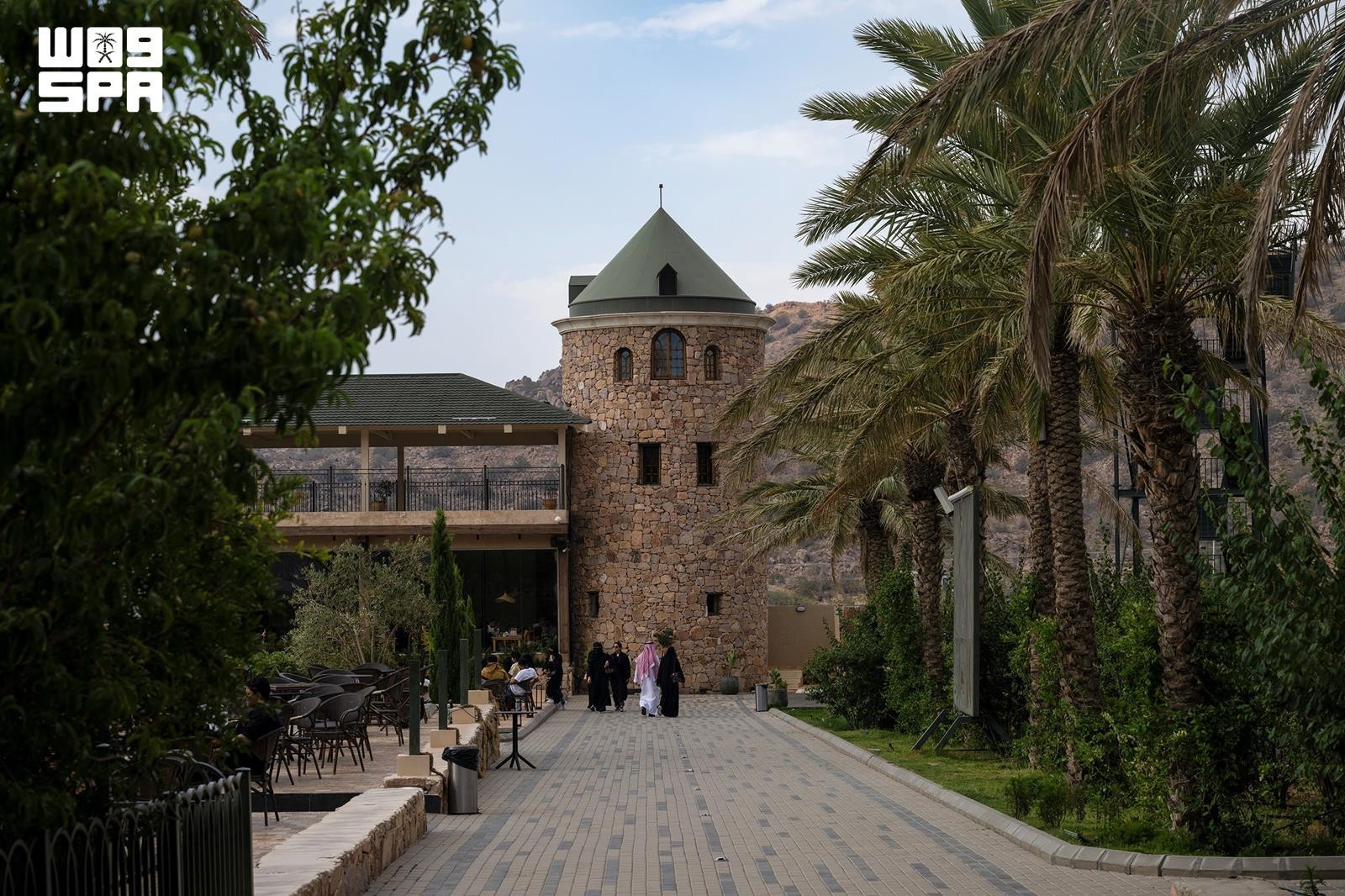
Taif, July 15, 2026, SPA -- Stone architecture in Taif Governorate stands as one of the region's most prominent cultural landmarks, reflecting its rich history and distinctive architectural heritage. Stone houses, castles, and fortresses are scattered across mountain peaks, villages, and valleys, embodying a traditional architectural identity that has adapted to the natural environment and today serves as a key attraction for cultural and heritage tourism.
Stone buildings across Taif vary according to the terrain around them. They are especially prominent in the highlands of Al-Shafa, Al-Hada, and the Sarawat Mountains, as well as in historic villages stretching along valleys and mountain slopes. Constructed from locally sourced stone with carefully crafted geometric designs and wooden roofs and windows, these structures have demonstrated remarkable durability and resilience to the mountainous climate for centuries.
Head of the Taif History Center Dr. Latifa Al-Adwani told the Saudi Press Agency (SPA) that Taif's stone architecture serves as a historical record documenting the region's social and economic life. She noted that the area's diverse geography gave rise to multiple architectural styles, each with distinctive features, while preserving Taif's unified architectural identity.
Al-Adwani explained that the stone structures extended beyond residential homes to include defensive towers, castles, gathering halls, grain storage facilities, and agricultural buildings, all designed to suit the surrounding mountains and valleys while making effective use of local natural resources. She added that this diversity has given Taif a unique architectural richness within the Kingdom.
She further noted that the widespread presence of stone architecture throughout northern, southern, eastern, and western Taif reflects the governorate's long history of human settlement and highlights the close relationship between its people and the natural landscape. The mountains, valleys, and highlands have all shaped the area's architectural character, making it an integral part of Taif's cultural identity. She emphasized that preserving this architectural heritage, rehabilitating historic villages, and developing them as tourist destinations will strengthen cultural tourism, enrich visitors' experiences, connect future generations with the area's history, and support the local economy by promoting traditional crafts, cultural activities, and heritage attractions.
-- SPA
