



AlUla's Rocks: A Geological Record of Earth and Civilizations
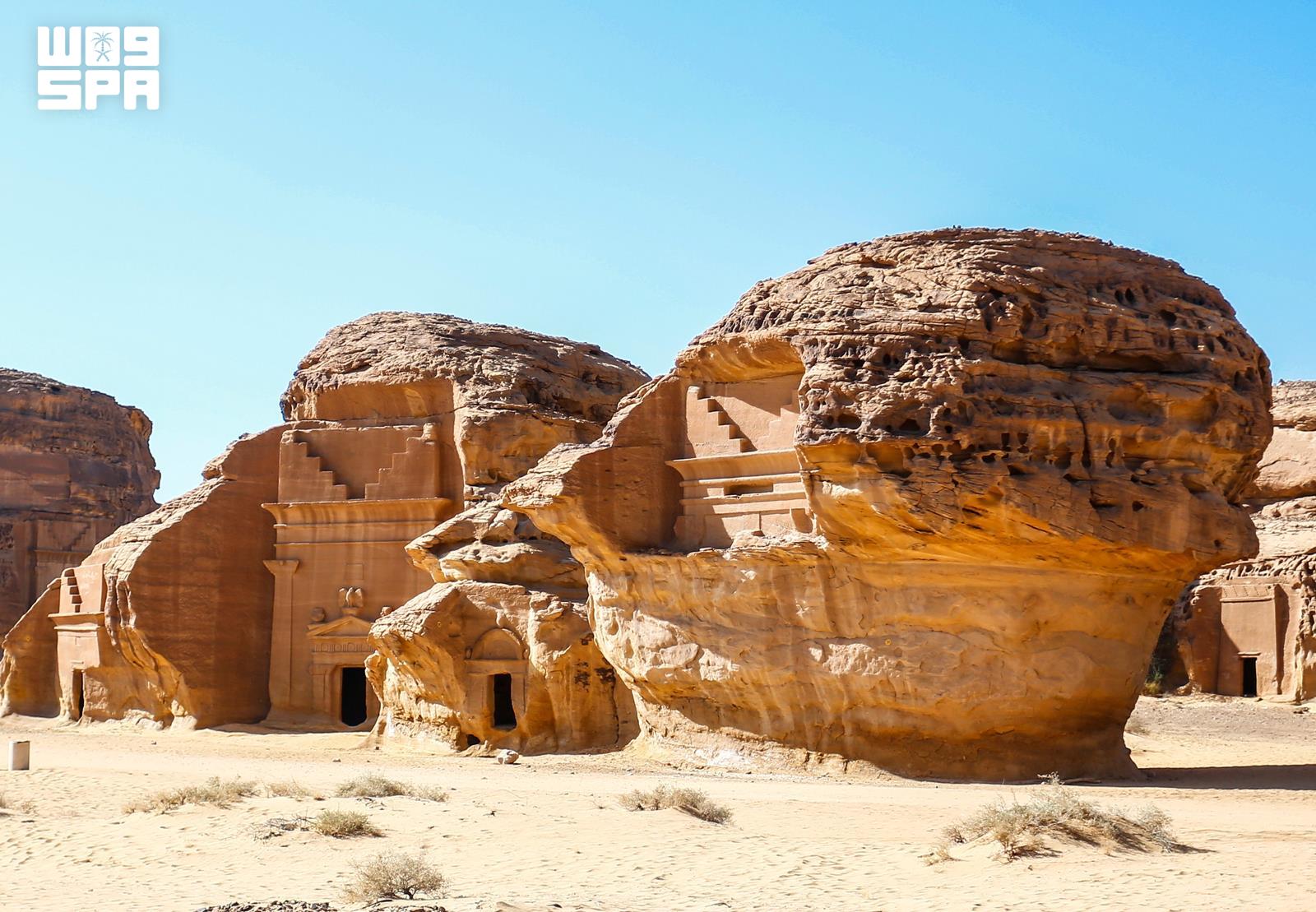
AlUla, July 15, 2026, SPA -- The rock formations of AlUla Governorate serve as a natural record spanning millions of years. Their geological formations preserve the story of the Earth, while their surfaces bear traces of human presence and successive civilizations, creating a landscape that combines geological heritage with historical depth.
AlUla is one of Saudi Arabia's foremost geological destinations, renowned for its towering mountains, valleys and rock formations sculpted by natural forces over millions of years. These extraordinary landscapes have made it a destination for researchers, geologists, photographers and nature enthusiasts.
This coincides with World Rock Day, observed annually on July 13, which highlights the importance of rocks and geological formations in understanding the Earth's history, their scientific and cultural value, and their role in documenting environmental evolution and the succession of civilizations through the ages.
AlUla's rocks are more than natural landmarks; they are pages of history preserving the legacy of ancient civilizations. Their surfaces are adorned with Lihyanite, Dadanite, Nabataean, Thamudic and early Islamic inscriptions, documenting aspects of social, economic and religious life and underscoring AlUla's role as a key stop along ancient trade routes.
People also harnessed the rock formations to create enduring architectural landmarks, foremost among them Hegra, the first Saudi site inscribed on the UNESCO World Heritage List.
There, tombs and monumental façades were meticulously carved into sandstone mountains with remarkable engineering precision and architectural skill, reflecting the advanced craftsmanship of the Nabataean civilization in architecture and stone carving.
AlUla is home to several renowned rock formations, most notably Elephant Rock, which was sculpted by erosion over millions of years into the shape of a giant elephant. It has become one of the governorate's most iconic natural landmarks and a popular destination for visitors and photographers from around the world.
The layers and formations of AlUla's rocks reveal the geological stages and environmental and climatic transformations the region has undergone, which helped shape its terrain and create conditions that supported human settlement and the flourishing of civilizations.
AlUla's rocks tell the story of both nature and humanity, making the governorate an open book whose pages are inscribed in stone, preserving millions of years of the Earth's history and human civilizations.
-- SPA
