



Oman's Nature Reserves Anchor Sustainable Development and Biodiversity Goals
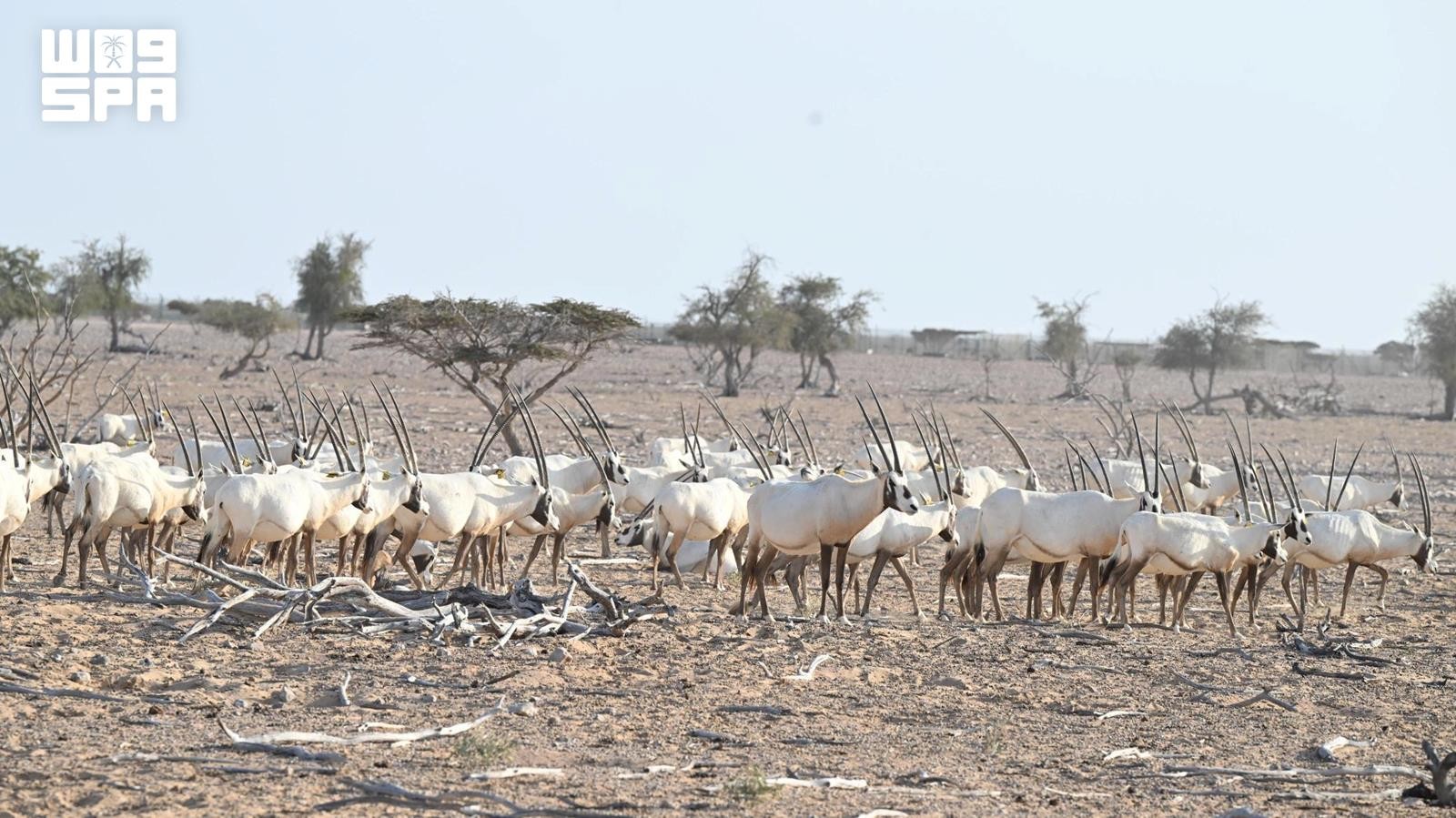
Muscat, August 26, 2026, SPA -- The Sultanate of Oman maintains 32 nature reserves spanning roughly 17,839.6 square kilometers, 5.76% of its total land area, serving as a cornerstone of its national strategy for environmental conservation, biodiversity preservation, and sustainable development.
According to an environmental bulletin prepared by the Oman News Agency for the Federation of Arab News Agencies (FANA), the reserves form an integrated network protecting terrestrial, marine, and wetland ecosystems while safeguarding endangered wildlife habitats for future generations.
Head of the Nature Reserves Management Section at the Environment Authority Zahra Al Shariqi emphasized that the role of these reserves extends beyond conservation to supporting scientific research, modernizing monitoring systems, engaging local communities, and fostering sustainable ecotourism.
Over the past five years, Oman has declared six new reserves, most recently establishing the marine buffer zone around the Hallaniyat Islands. In an international milestone last year, UNESCO added both the Al Jabal Al Akhdar and Al Sirrin reserves to its World Network of Biosphere Reserves, underscoring Oman's success in balanced environmental stewardship.
The Environment Authority prioritizes key endangered and protected species in line with International Union for Conservation of Nature (IUCN) classifications, including the Arabian leopard, Arabian oryx, Arabian gazelle, Arabian tahr, sea turtles, and birds of prey. These efforts are supported by camera traps, habitat restoration programs, and digital species databases.
To address pressing environmental challenges such as illegal poaching and climate change impacts, which threaten coral reefs, mangrove forests, and sea turtle nesting zones, the authority is integrating climate adaptation strategies into management plans, expanding mangrove afforestation, and utilizing advanced technologies to enhance ecosystem resilience.
Al Shariqi noted that the reserves support broader commitments under the Convention on Biological Diversity, the Ramsar Convention, and the global 30x30 initiative to protect 30% of land and marine areas by 2030, while contributing directly to food and water security.
Oman also leverages its protected areas to drive the green economy and support local communities through sustainable ecotourism, environmental guiding jobs, and artisanal ventures. To protect vulnerable habitats, the Environment Authority enforces strict zoning, visitor caps, permit systems, and rigorous environmental impact assessments for investment projects.
-- SPA
