



Iranian fishermen celebrate their bond with Persian Gulf at Nowruz-e Darya local ceremony
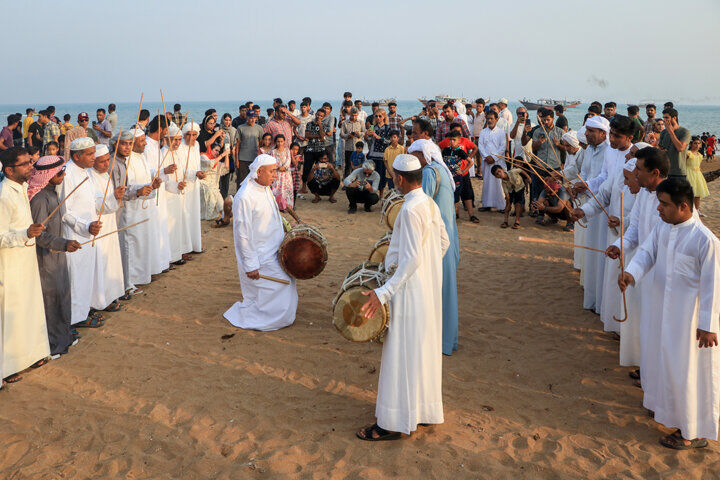
Bandar Abbas, IRNA — The village of Selkh on Iran’s Qeshm Island on Thursday hosted Nowruz-e Darya (Sea Nowruz) ceremony, an age-old tradition among the coastal communities of the Persian Gulf that marks the beginning of a new fishing season and celebrates the deep bond between local people and the sea.
Held under the slogan “The Sea, the Beginning of Life and a Celebration of Solidarity,” the event brought together fishermen, families, villagers, tourists, and enthusiasts of the cultural heritage of southern Iran. Traditional rituals, local music, food, and displays of maritime life were among the highlights of the ceremony.
For the people of Selkh, in southern Qeshm, the sea is far more than a source of livelihood. Generations of families have built their lives around fishing and maritime activities, creating a rich body of local knowledge, traditions, music, and customs that have become an integral part of their cultural identity.
Nowruz-e Darya, also known locally as Nowruz-e Sayyad (Fishermen’s Nowruz), is rooted in the traditional calendar used by fishermen in southern Iran rather than the country’s official calendar. Their understanding of seasonal changes, winds, sea conditions, and fishing periods has historically shaped the rhythm of life along the coast.
One of the most distinctive features of the celebration is a temporary ban on fishing. On this day, fishermen leave their nets and hooks behind and refrain from catching fish and other marine creatures. Fish and other seafood are also excluded from the local diet on this day, with festive tables prepared with other traditional foods instead.
Local traditions associate the practice with allowing marine life to reproduce and giving the sea a brief respite.
Iranian fishermen celebrate their bond with Persian Gulf at Nowruz-e Darya
Villagers wear new clothes and take part in communal celebrations. A traditional red soil known as “Gelak” is used to paint animals, which are then taken toward the sea. Local accounts associate the red color with blessings, health, and the beginning of a new period.
Traditional foods and sweets, including Rangineh, Khabiseh and dates prepared with oil, are also served to guests.
Music and folk performances form another major part of the event. This year’s program includes Azva or Razif singing, Liwa music and the Shooshi folk performance, alongside a fishing competition and an exhibition of maritime handicrafts.
According to Salim Mohammadi, deputy head of tourism at Hormozgan’s Cultural Heritage, Tourism and Handicrafts Department, the Nowruz-e Darya ceremony provides an opportunity to preserve and revive the intangible heritage of the Persian Gulf’s maritime communities.
He said the celebration helps introduce visitors to local maritime knowledge, fishing traditions and the cultural and tourism potential of Selkh and Qeshm Island.
For the people of Selkh, however, Nowruz-e Darya is more than a tourism event. It is a living tradition that connects generations to the sea and keeps alive the cultural heritage of communities that have lived alongside the Persian Gulf for centuries.
