



Thailand joins talks with 21 economies to pursue Asia-Pacific free trade
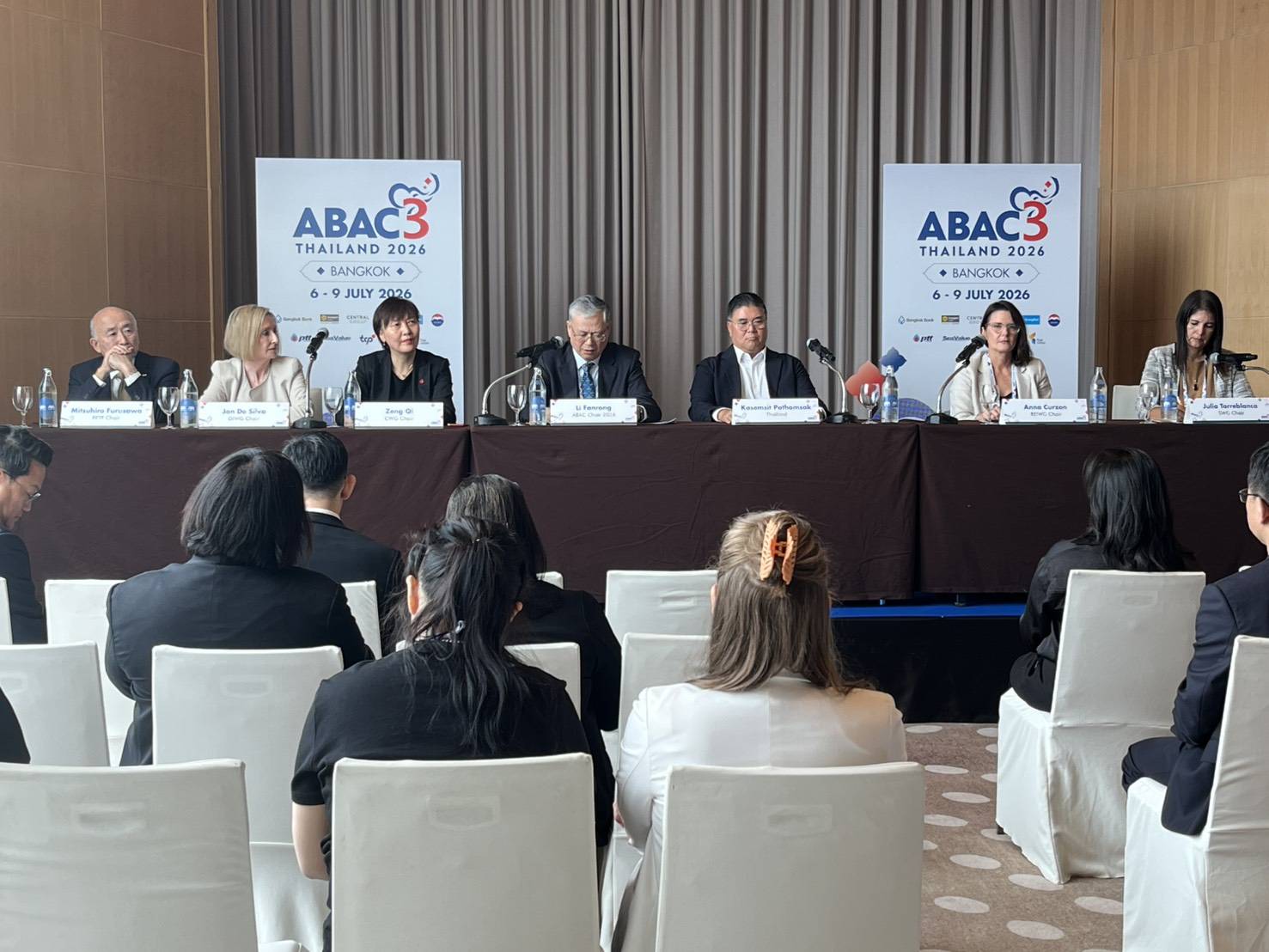
BANGKOK, July 9 (TNA) - Thailand has hosted a meeting with business representatives from 21 economies to address trade barriers and advance towards the Free Trade Area of the Asia-Pacific (FTAAP), focusing on guidelines for openness, connectivity, and collaboration.
The APEC Business Advisory Council (ABAC) concluded its third meeting of 2026, held in Thailand from July 6-9. ABAC 2026 Chair Li Fanrong, along with ABAC Thailand Chair Kasemsit Pathomsak, announced the completion of their 2026 annual report, which will be presented to APEC leaders at the summit later this year.
Key Business Proposals
The ABAC 2026 Chair stated that the council will recommend that APEC reaffirm its commitment to free, open, fair, non-discriminatory, transparent, and predictable trade and investment. It will also push forward business-led proposals toward the Free Trade Area of the Asia-Pacific (FTAAP) by addressing various tariff barriers affecting food trade, establishing harmonized digital trade rules, promoting women's economic participation and leadership, and implementing a voluntary equal pay framework for the business sector.
In addition, ABAC proposed increasing investment in disaster-resilient and low-carbon transport infrastructure, strengthening supply chain resilience, improving logistics, reviving the Open Skies aviation agenda, increasing transparency across regional supply chains, and expanding people-to-people exchanges.
The council also suggested mobilizing more private sector investment through new forms of public-private partnerships to support infrastructure, energy, healthcare, water security, and climate change response.
It further advocated for the responsible use of technology, including artificial intelligence and quantum technology, while ensuring that developing economies and MSMEs have access to the digital infrastructure, skills, and funding necessary to fully participate in the digital economy.
The ABAC report will also recommend stronger regional cooperation on issues regarding food security, energy security, population health promotion, pandemic preparedness, disaster response, and sustainable mining industry development.
Global Volatility and Challenges
Kasemsit noted that global businesses are currently facing high volatility and severe challenges, particularly from geopolitical conflicts in Russia-Ukraine and the Middle East. These conflicts have impacted logistics, commodities, energy, inflation, and exchange rates.
Furthermore, businesses are navigating complex new challenges, including U.S. tariffs, AI developments, scams, and healthcare issues, requiring global regulatory cooperation. The final ABAC meeting of the year will take place in Shenzhen, China, from November 12-14.
Support for Domestic Stimulus
Commenting on Thailand's domestic policy, Kasemsit expressed support for the government's 400-billion-baht emergency loan decree, calling it essential for restoring confidence and providing the state with the necessary resources to implement projects.
He stated that Thailand has lagged behind for several years due to internal obstacles. While emphasizing the need for transparency and strict oversight, he maintained that the loan is necessary for the country to keep pace with global economic shifts and regional peers. -819 (TNA)
