



Indonesia unveils plan for world-class international financial hub
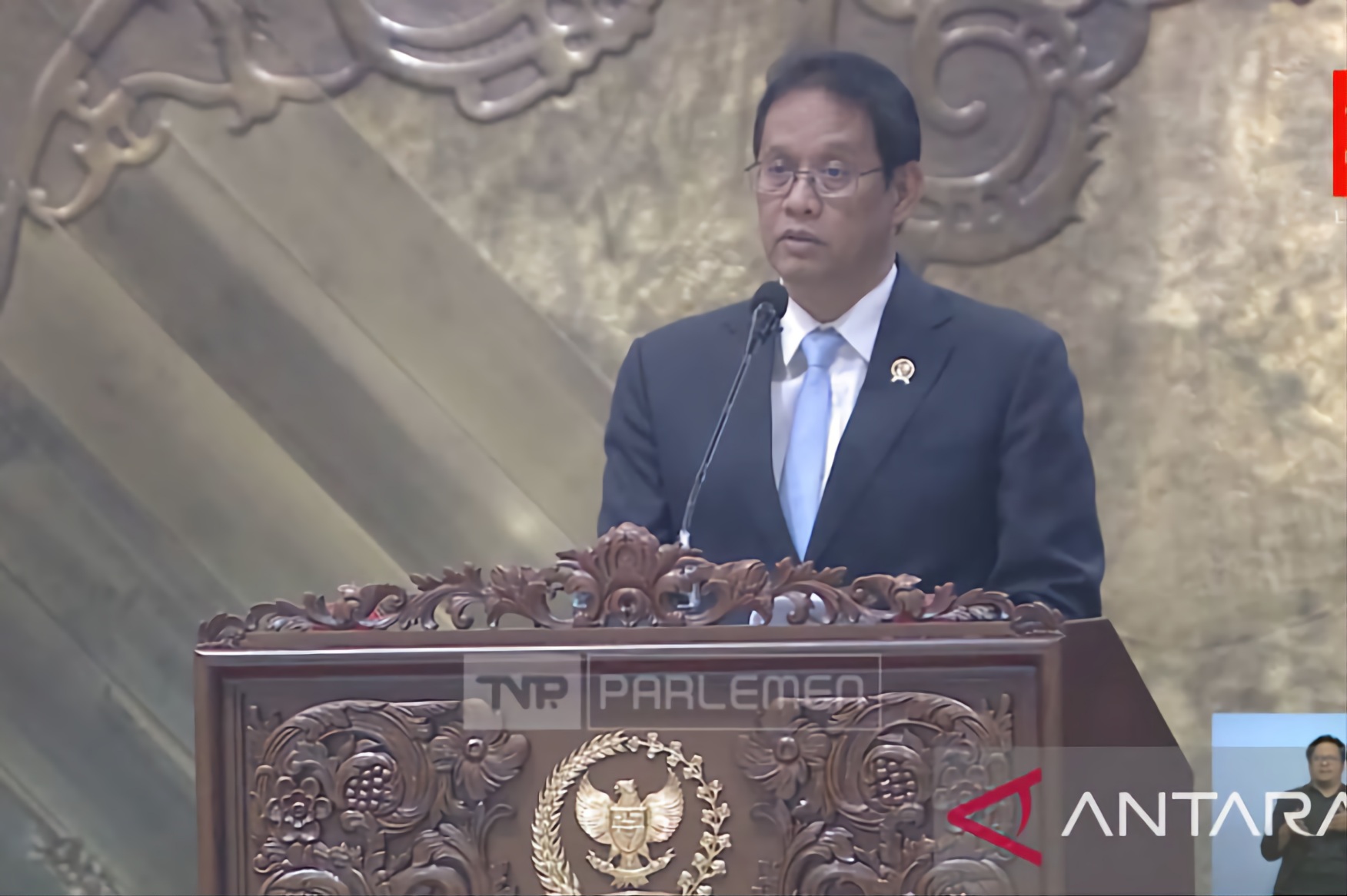
Jakarta (ANTARA) - Indonesia’s proposed international financial center (PFII) is designed to complement the existing domestic financial system rather than replace it, Finance Minister Purbaya Yudhi Sadewa stated on Tuesday.
Delivering the government’s final position on the Indonesian International Financial Center (PFII) Bill during the 26th Plenary Session of the House of Representatives (DPR RI), Purbaya underscored that the initiative aims to establish an integrated, world-class financial ecosystem.
"The PFII Bill was born out of the realization that, as the largest country in Southeast Asia and a member of the G20, it is time for Indonesia to have its own financial center that is credible, independent, has integrity, and is globally competitive," the minister said.
Purbaya noted that deliberations during the Working Committee (Panja) and Level I Working Meetings produced constructive solutions to ensure the framework remains attractive to foreign investors while safeguarding national interests.
The draft law is built on three foundational pillars designed to reshape the nation's economic landscape, beginning with expanding access to capital and investment.
By attracting sustainable foreign direct investment and high-quality portfolio inflows, the bill aims to expand the economy and provide the long-term financing needed to hit President Prabowo Subianto's ambitious 8 percent annual growth target.
Beyond capital inflows, the framework emphasizes innovation and governance to build a secure, technology-driven financial ecosystem.
A key feature of this pillar is the establishment of a dedicated PFII court and arbitration body, providing international business entities with greater legal certainty while fully respecting Indonesia's legal sovereignty.
Finally, the legislation focuses on talent development and capacity building to ensure these benefits directly support the domestic market.
By creating premier career opportunities for Indonesian financial professionals, encouraging technology transfer, and lowering the overall cost of capital, the financial hub is designed to deliver long-term competitive advantages across the economy.
Purbaya added that establishing the financial hub would broaden the domestic tax base and generate multiplier effects on job creation across the country.
"The PFII Bill is not just a formal regulation, but a new architecture for Indonesia's financial future," Purbaya said, reaffirming the joint commitment of the government and the DPR to strengthening Indonesia's position in the global economy.
