



Thailand Tackles Energy Concerns Amid Data Center Surge
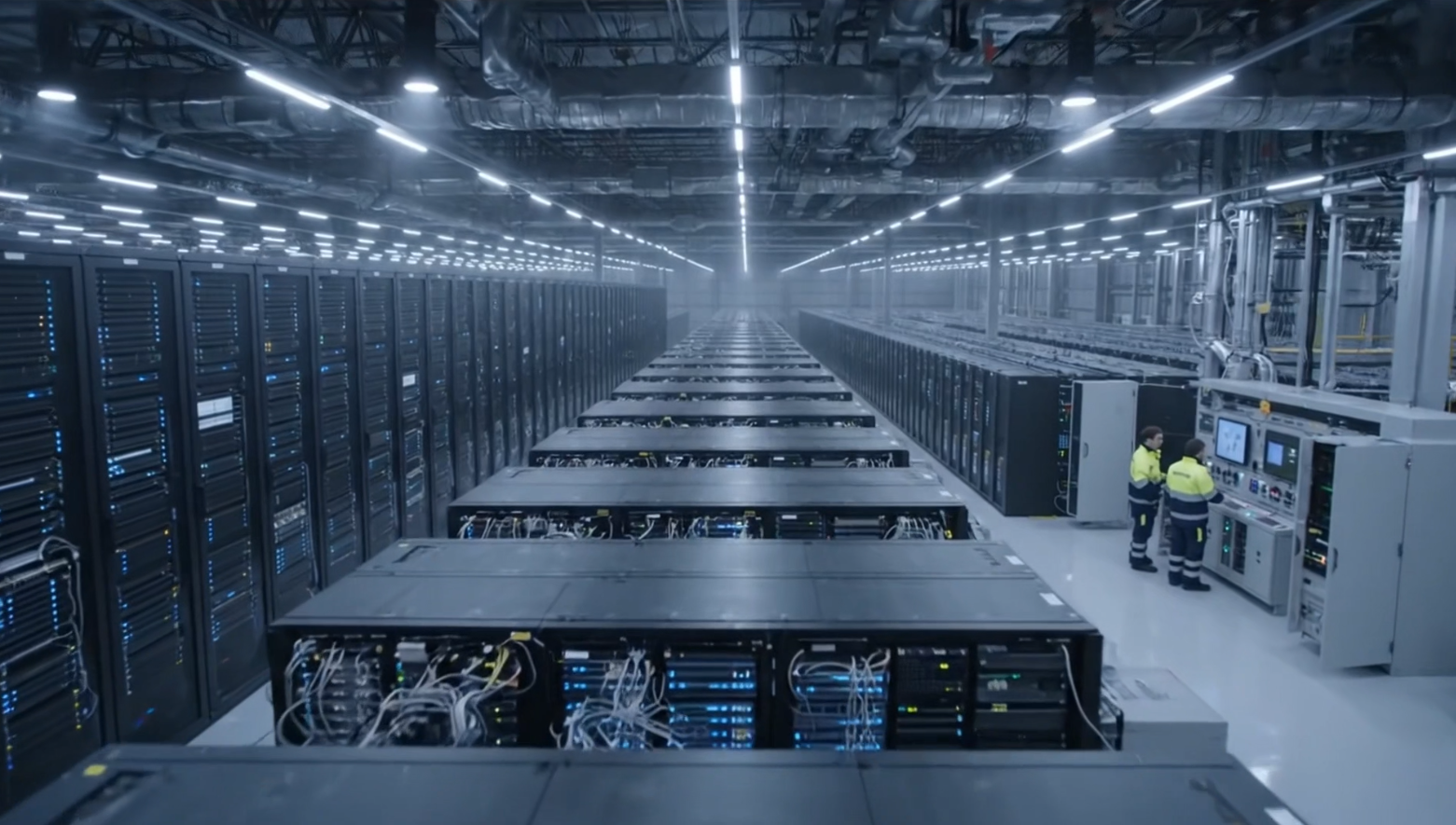
BANGKOK, Aug 11 (TNA) - Applications for investment incentives for data centers and cloud services in Thailand have continued to rise, according to the Board of Investment (BOI).
Over the past three years, 46 projects worth a total investment of over 1.6 trillion baht ($44 billion) have been approved. Most projects are located in Bangkok, Samut Prakan, Chonburi, and Rayong, including developments by Google and Beijing Haoyang, which is building the largest hyperscale data center in Southeast Asia.
While these investments bolster foreign direct investment and build digital infrastructure to position Thailand as a regional AI hub, data centers require significant resources. Operating around the clock, they demand stable electricity and large volumes of cooling water, raising concerns over potential impacts on water supplies, power grids, and local electricity rates.
If utility infrastructure and power reserves must expand to accommodate these facilities, the cost of fuel and transmission lines could be passed on to households and small-and-medium enterprises (SMEs). Additionally, job creation remains limited relative to the massive capital outlay.
To address these challenges, the Thai Cabinet has approved the establishment of a Data Center Board to regulate resource allocation, enforce location zoning near capable grids, and mandate technology transfers. The policy aims to encourage the use of local components and personnel, ensuring the country gains broader economic benefits beyond serving as a server location.
Measures also include setting dedicated electricity tariffs for data centers to reflect actual costs, expanding clean energy access through a 2,000-megawatt Direct Power Purchase Agreement (PPA) pilot project, and introducing Utility Green Tariffs (UGT 2).
Meanwhile, the Electricity Generating Authority of Thailand (EGAT) is upgrading its grid infrastructure, developing a green energy certificate platform, and installing Battery Energy Storage Systems (BESS) to maintain grid stability.
"The actual demand for data centers will certainly exceed 3,800 megawatts based on current information," said Chakkree Sirimaneewattana, Assistant Governor for Organizational Strategy at the EGAT. "We must await clear policy directions regarding locations and implementation, but EGAT is prepared to expand the transmission system to support them."
img for 1
Economists note that data center investments extend across the supply chain, benefiting printed circuit board (PCB) manufacturing, advanced electronics, cooling systems, specialized engineering, and industrial estates. They advise the government to strictly regulate resource use to maximize local benefits.
Amonthep Chawla, Executive Vice President and Head of Research Office at CIMB Thai Bank, highlighted the broader potential: "If developed effectively, local businesses strengthening their supply chain capabilities can eventually export or expand production into other ASEAN markets, such as Indonesia, as local capacity matures. However, without proper development, the sector will rely heavily on imports. Elevating local workforce skills is key to driving long-term economic growth."
The influx of data centers presents both an economic opportunity and a test for Thailand's energy security. Balancing foreign investment attraction with protecting living costs for citizens remains a critical challenge for the government. -819 (TNA)
