



Prachin Buri GI Durian Threatened by Industrial Waste Risks
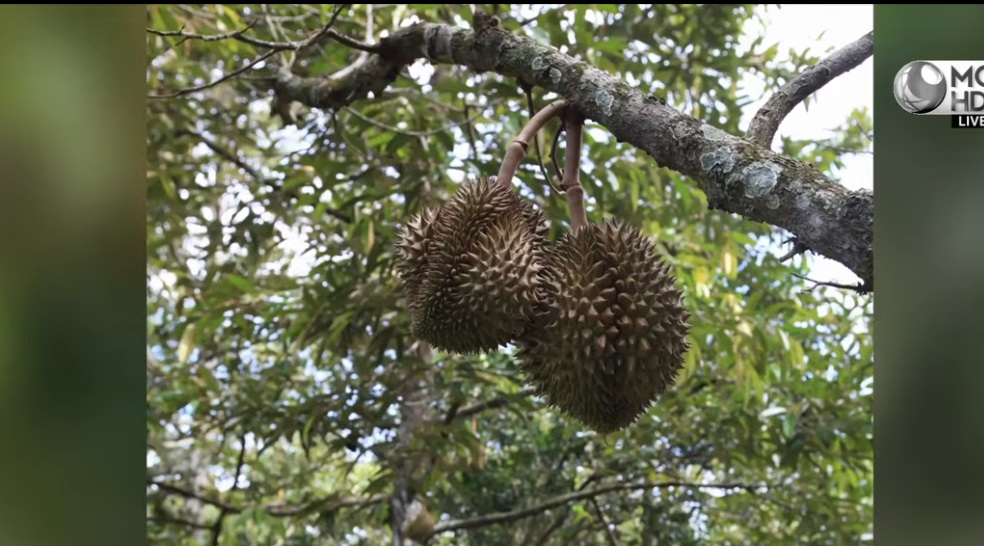
PRACHIN BURI, Thailand (TNA) - Prachin Buri durian, a premium Geographical Indication (GI) produce valued for its unique terroir, generates over 96.6 million baht ($2.8 million) annually.
However, agricultural hubs across eastern Thailand face an escalating threat: safeguarding environmental integrity against the pervasive risks of industrial pollution.
Ja Man Orchard, located in the Rim Prue Baan Suan area and spanning 18 rai (2.88 hectares) in Mai Khet Subdistrict, Mueang Prachin Buri District, stands among the key sites cultivating the coveted fruit, which secured GI certification years ago.
According to the Department of Intellectual Property, well-drained soil, optimal humidity, and distinct microclimatic conditions confer the durian’s signature traits—a dry texture, sweet flavor, and rich profile.
A total of 92 growers hold GI authorization, driving significant economic gains. Following certification, average farmgate prices rose from 200 baht ($5.88) per kilogram to 250 baht ($7.35) per kilogram.
Yet, widespread illegal industrial waste dumping across the eastern corridor has raised serious alarms among farmers.
Concerns are growing that airborne and waterborne toxic pollutants could compromise agricultural land, erode the GI brand's identity, and pose public health hazards.
The severity of the contamination issue is increasingly stark in Nong Wa Subdistrict, Khao Chakan District, Sa Kaeo Province—an agricultural zone dependent on local surface water for field and orchard irrigation.
Earlier this year, residents reported that Khlong Wang Samphung had turned black and emitted a pungent odor for over a month.
Amid suspicions of cross-border industrial runoff, the Pollution Control Department collected water samples to evaluate environmental impacts.
While analysis for Khao Chakan remains pending, tests conducted by the Provincial Industry Office on agricultural ponds in Wang Tha Chang Subdistrict, Kabin Buri District, Prachin Buri Province, have already confirmed lead contamination.
From community apprehensions to verified heavy metal contamination, blocking industrial effluent from agricultural land has emerged as an urgent imperative.
For GI products whose value hinges entirely on origin and purity, protecting land and water ecosystems is paramount to preserving the agricultural base, safeguarding public health, and sustaining the regional economy. (TNA).-813
