



Southern Thailand Violence: Who Are the 'White Faces'?
PATTANI, Aug 27 (TNA) - Explosions, gunfire aimed at intimidating locals, and arson at convenience stores in Pattani’s Yaring district on the night of August 22 were carried out by a new operational unit of the BRN, known as the "White Faces".
Members of this group seek to demonstrate their capabilities, build resolve, and gain recognition from the movement to advance toward leadership roles.
Col. Ekwarit Chobchuphon, deputy spokesman for the Internal Security Operations Command (ISOC) Region 4 Forward, said the group consists of new perpetrators who have no prior criminal records. They provide operational support, such as delivering supplies, serving as lookouts, and monitoring security personnel movements. Without criminal records, they are able to move freely within villages and urban areas.
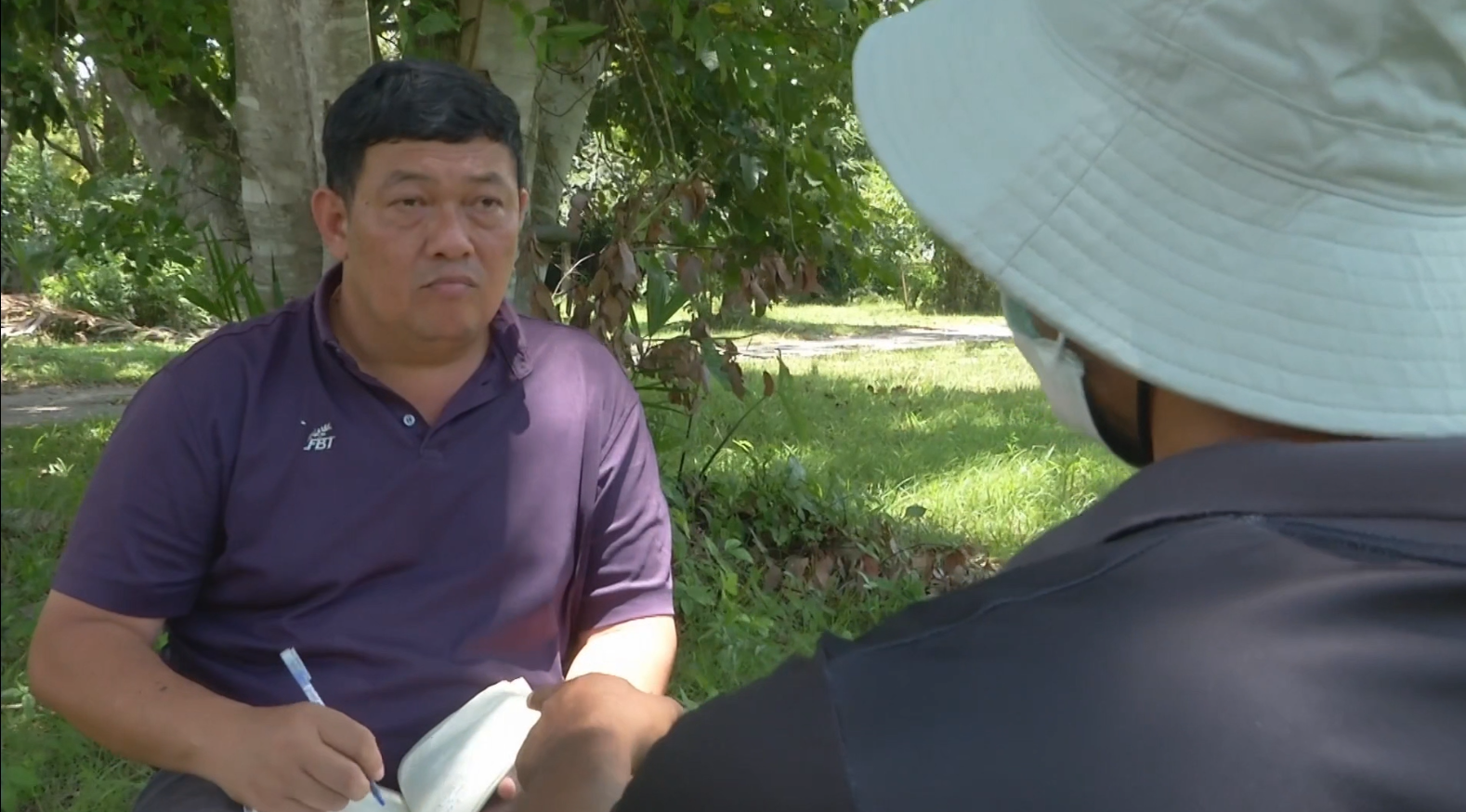
A former BRN operational leader, who joined the movement in 2004 at age 17, stated that he began as a "White Face," referred to within the organization as Pemuda.
He underwent four years of study focused on extremist ideology, followed by two years of physical training to become an RKK operative. In his seventh year, he was ordered to plant a bomb in a populated area. He refused, stating it could harm children, women, and the elderly, which led to conflicts and harassment that forced him to take his family to seek fairness from high-level BRN leaders in a neighboring country, where he stayed for over 10 years.
After reflecting that the group's actions had strayed from its original ideology of not harming innocent people of any religion, he felt misled and contacted authorities to surrender. On June this year, a court dismissed all three cases against him.
He was overjoyed by the ruling, which allowed him to regain his freedom as a Thai citizen in his homeland without having to live in hiding or remain on the run for the rest of his life.
The ISOC deputy spokesman added that the issue stems from long-term extremist indoctrination within families, peers, schools, and certain religious contexts. Future solutions involve providing education to the new generation and arranging trips for them to see multicultural living in other provinces without conflict, aiming to build positive attitudes. -819 (TNA)
