



Iran’s Hormozgan: Where the sea, culture and memory live side by side
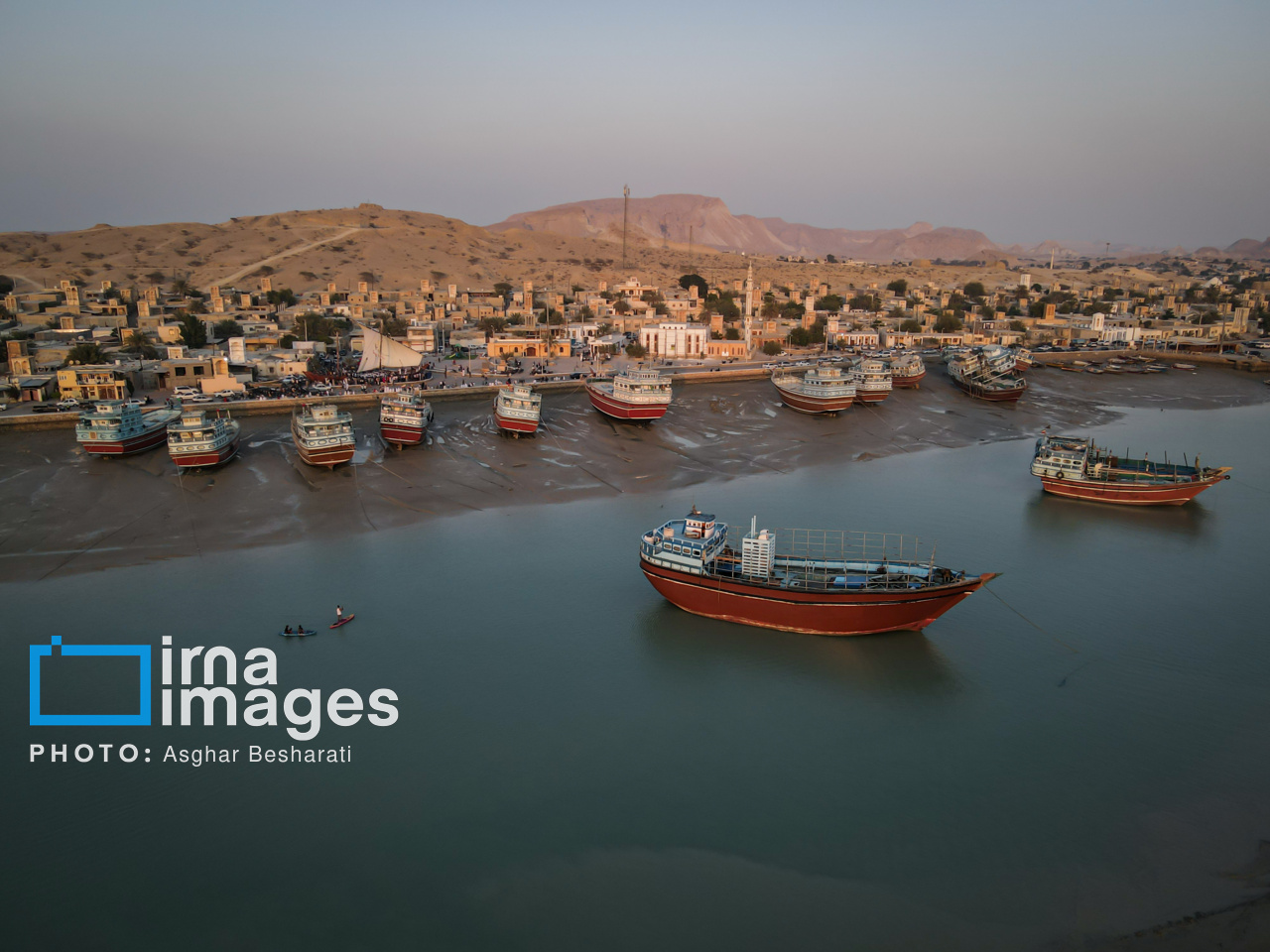
Bandar Abbas, IRNA – Hormozgan, a land of diverse colors, dialects, traditions and lives intertwined with the sea, is a place where culture is not merely a relic of the past, but something that continues to breathe in local markets, the lives of fishermen, southern music and the stories passed down through generations.
A land can be known through its map, borders, cities, mountains and seas. But to truly understand a place, one must meet its people, listen to their languages and dialects, witness their traditions and trace history through their everyday lives.
Hormozgan is more than a collection of islands, coastlines and southern cities. It is a land of human stories, shaped by generations who have lived alongside the sea, adapted to nature and passed their experiences down through language, music, clothing, customs and ways of life.
The sea has played a defining role in this identity. The Persian Gulf and the Sea of Oman have influenced the livelihoods and culture of the people of Hormozgan for centuries. Fishing, seafaring and trade have become integral parts of their way of life, while generations of fishermen have acquired knowledge of winds, waves, seasons and the best times to venture into the sea through experience.
Much of this knowledge has been passed from parent to child and from one generation to the next. It represents an intangible cultural heritage that could gradually disappear if traditional occupations and lifestyles fade.
Hormozgan: Where the sea, culture and memory live side by side
Geography has also shaped the province’s architecture, clothing, food and daily life. Windcatchers, wooden windows and traditional houses reflect the experience of people who learned over centuries how to adapt to the hot and humid climate of southern Iran.
Anthropology seeks to understand such connections between people, their environment, history and society. It examines customs, beliefs, language, dialects, lifestyles and social relations, offering a deeper understanding of how cultures develop and become part of a community’s identity.
Hormozgan: Where the sea, culture and memory live side by side
The Persian Gulf Anthropology and Archaeology Museum in Bandar Abbas presents part of this heritage. Located in the historic Bekehay-e Baran complex (Ponds of Rain Complex), the museum uses local architectural elements and displays aspects of traditional markets, fishing and the history of Hormozgan, while local voices and dialects bring its exhibits closer to the living culture of the province.
Local markets themselves remain another expression of that culture. Beyond trade, they are places where people meet, exchange news and maintain social ties. For an anthropologist, such markets can be seen as living books, with people and their relationships forming their pages.
Hormozgan: Where the sea, culture and memory live side by side
Hormozgan is, ultimately, a vast book of human stories — part of it preserved in museums and historical records, and much of it still alive in the voices of fishermen, local markets, traditional ceremonies and the dialects spoken in homes.
Understanding a land is impossible without understanding its people. Hormozgan’s story is one of humanity reflected in culture and the sea — a living story whose next chapter is being written every day.
