



Historic covered bazaar showcases Ardabil’s Seljuk, Safavid heritage
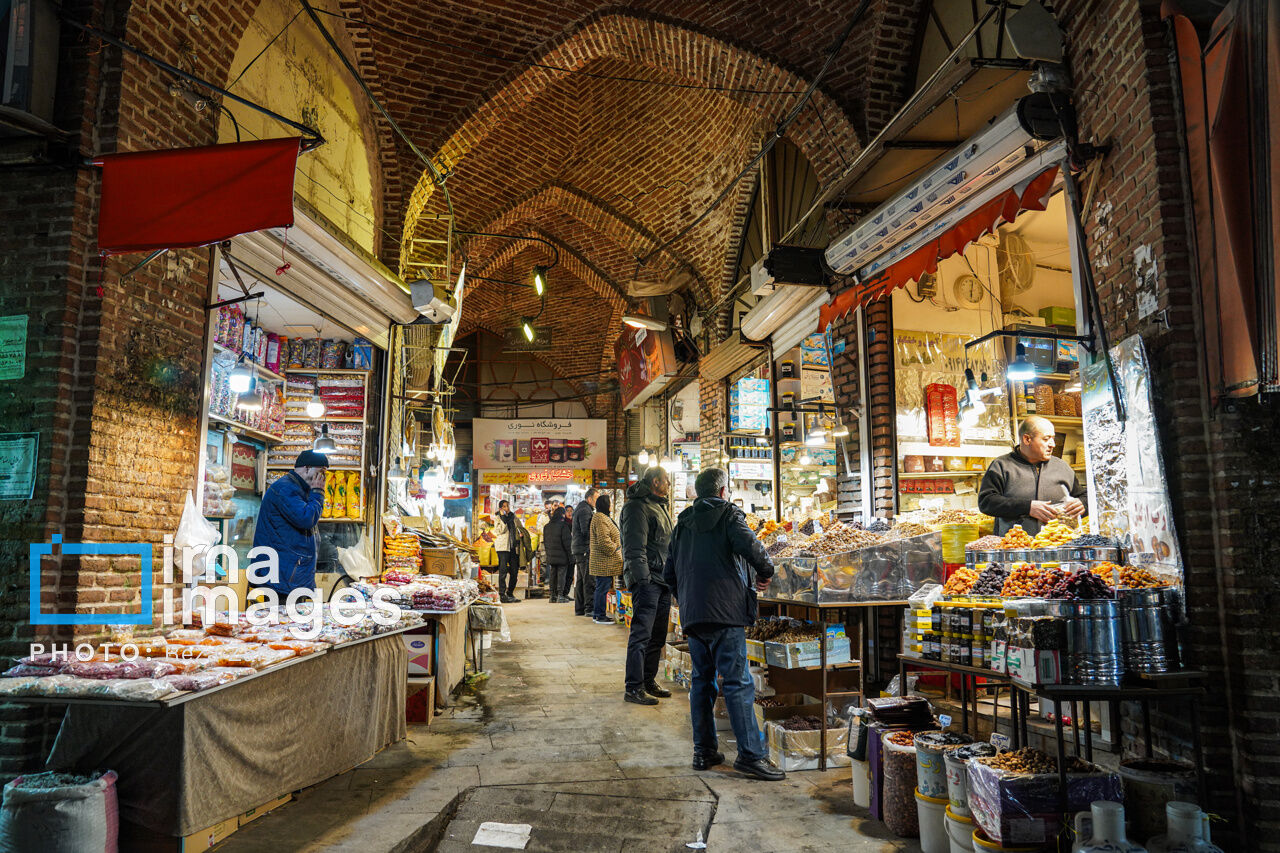
Ardabil, IRNA – The historic covered bazaar of Ardabil, a legacy of Seljuk-era architecture featuring brick structures and domed vaults, also reflects the spiritual character of the Safavid period. Listed as a national heritage site, it continues to play an important role in the tourism and local economy of Ardabil Province, northwestern Iran.
Traditional bazaars are among the economic and tourism attractions of Iranian cities, with their historical significance adding to their appeal.
According to the Ardabil provincial Department of Cultural Heritage, Tourism and Handicrafts, the historic Ardabil Bazaar, also known as Qeysariyeh or the Main Bazaar, was inscribed on Iran’s national heritage list in 1985 under registration No. 1690.
Historical sources describe Ardabil’s bazaar as early as the fourth century AH as a cross-shaped complex with a mosque at its center. Historical evidence indicates that it was built during the Seljuk period and flourished particularly during the seventh and eighth centuries AH, while its main period of prosperity came under the Safavids.
The present bazaar is characterized by pointed arches and simple domes. The arches over the shopfronts are about three meters wide on average, while the columns supporting the vaults are approximately 80 centimeters in diameter.
Natural light enters through openings in the domed coverings, creating a distinctive atmosphere inside the bazaar.
Despite its age, the historic bazaar remains the main marketplace for local residents and continues to offer a variety of handicrafts, agricultural products and Ardabil souvenirs.
Bazaar restoration and rehabilitation
Preserving the bazaar’s historic appearance and improving its condition have long been priorities for Ardabil officials and the provincial Department of Cultural Heritage, Tourism and Handicrafts.
Ardabil Governor Farzad Qalandari has announced the formation of a working group to preserve and revive historic buildings and prepare a targeted roadmap. He said rehabilitation of the covered bazaar is among the group’s key priorities.
The provincial Department of Cultural Heritage, Tourism and Handicrafts had also earlier announced the launch of the second phase of restoration work at Zanjirlu Caravanserai in the historic bazaar.
The second phase began on the eastern side of the caravanserai after shops were vacated. The section contains 10 shops, and restoration work is being carried out in cooperation with their owners.
Restoration of the western side of Zanjirlu Caravanserai had already been completed. The provincial department is also restoring its public areas, including the passageways, columns and domes.
Tourism in Ardabil is closely tied to the restoration of traditional spaces such as the historic bazaar, while the covered market plays a central role in attracting visitors as the heart of traditional commerce.
Officials and relevant agencies are therefore working to preserve the historic grandeur of Ardabil’s Qeysariyeh Bazaar and maintain it as one of the city’s oldest, most economically significant and most visited attractions for travelers from across Iran and abroad.
Ardabil, the capital of Ardabil Province, has a population of more than 550,000 and is one of Iran’s major destinations for domestic travelers and tourists.
