



From Riyadh to the World: Saudi Arabia Marks National Day Anchored in Legacy and Boundless Ambition
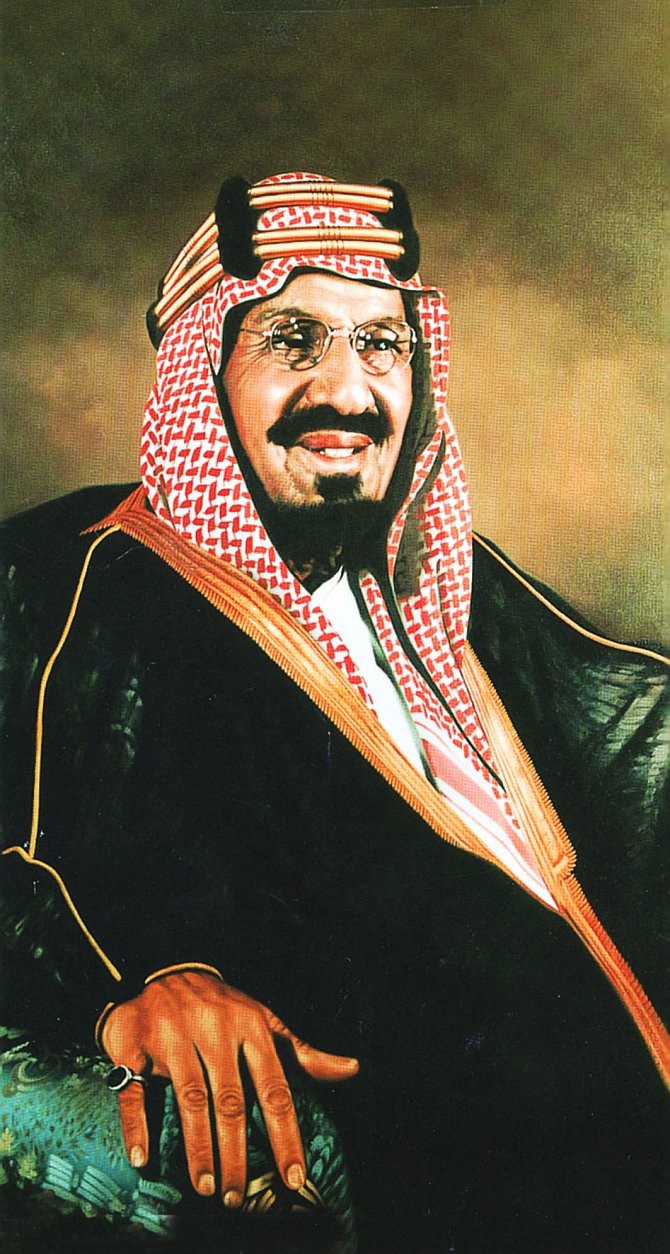
Riyadh, September 22, 2026, SPA -- The Kingdom of Saudi Arabia celebrates its National Day on Wednesday, September 23, 2026, commemorating the historic unification achieved by King Abdulaziz bin Abdulrahman Al Saud while highlighting the nation's ongoing progress under the leadership of Custodian of the Two Holy Mosques King Salman bin Abdulaziz Al Saud and His Royal Highness Prince Mohammed bin Salman bin Abdulaziz Al Saud, Crown Prince and Prime Minister.
Rooted in deep heritage and propelled by Saudi Vision 2030, the Kingdom continues to elevate its international standing, foster strategic partnerships, and deliver comprehensive development across all sectors.
The modern Saudi state traces its pivotal turning point to the recapture of Riyadh on January 15, 1902 (Shawwal 5, 1319 AH) by King Abdulaziz. Following decades of steadfast leadership that brought regional stability and security to the Arabian Peninsula, a royal decree was issued on September 19, 1932 (Jumada I 17, 1351 AH), officially naming the unified realm the "Kingdom of Saudi Arabia," effective September 23, 1932.
King Abdulaziz simultaneously directed the institutionalization of the state, structuring the judiciary, establishing the Ministry of Foreign Affairs (1930), the Ministry of Finance (1932), and the Cabinet (1953). His reign laid the groundwork for state-funded education and healthcare, initiated commercial oil exploration leading to the historic discovery at Dammam Well No. 7, created the Saudi Arabian Monetary Agency, and inaugurated the first modern expansions of the Two Holy Mosques.
Following King Abdulaziz’s passing in 1953, his successors sustained this institutional legacy while guiding the Kingdom through eras of continuous modernization.
King Saud formalized ministerial operations and expanded higher education and national infrastructure. King Faisal championed Islamic solidarity, leading to the creation of the Organization of Islamic Cooperation, while steadfastly supporting Arab causes. King Khalid oversaw extensive infrastructure and agricultural development fueled by national revenues, alongside the First Saudi Expansion of the Grand Mosque. King Fahd enacted landmark constitutional frameworks—including the Basic Law of Governance, the Shura Council Law, and the Law of Regions—while executing unprecedented expansions of the Two Holy Mosques and establishing the King Fahd Glorious Quran Printing Complex. King Abdullah advanced major socioeconomic programs, initiated the Allegiance Council, introduced women to the Shura Council, and began the Third Saudi Expansion of the Grand Mosque.
Under the reign of Custodian of the Two Holy Mosques King Salman bin Abdulaziz Al Saud, the Kingdom entered a new era of administrative efficiency and governance, marked by the restructuring of executive councils and intensified anti-corruption efforts. In April 2016, King Salman approved Saudi Vision 2030, formulated by His Royal Highness Prince Mohammed bin Salman bin Abdulaziz Al Saud, Crown Prince and Prime Minister, establishing an overarching roadmap to diversify the national economy, empower women in leadership and the labor force, enhance quality of life, and launch the Pilgrim Experience Program. HRH the Crown Prince has championed cultural identity, technology, and social welfare through programs such as the Mohammed bin Salman Foundation (Misk) for discovering and empowering young talents, the Mohammed bin Salman SNAD Program for social support, and the Mohammed bin Salman Project for the Development of Historical Mosques.
Over the past year, the Kingdom achieved significant foreign policy, diplomatic, and defense milestones. HRH the Crown Prince engaged in high-level summits with international leaders, including the Saudi-US summit with President Donald Trump and the inaugural Saudi-French Strategic Partnership Council meeting with President Emmanuel Macron.
Regionally, HRH the Crown Prince participated in trilateral stability discussions in Jeddah with the leaders of Jordan and Qatar and co-signed the historic Makkah Joint Defence Agreement with the leaders of Türkiye and Pakistan.
Regional integration advanced with an agreement to construct a high-speed passenger rail link with Qatar and enhanced bilateral coordination with Bahrain.
On the humanitarian front, the Kingdom ranked second globally in relief aid tracking, maintaining vital aid corridors to Gaza and providing $150 million in energy support to power plants in Yemen.
Domestically, decisive regulatory actions addressed public needs, including the regulation of tenancy and leasing relations in Riyadh, reforms expanding residential land for housing support, and the enactment of the new General Education Law.
The Kingdom achieved 13th place globally in the IMD World Competitiveness Yearbook, generated $32.6 billion in net foreign direct investment inflows for 2025, and ranked second worldwide on the World Bank’s GovTech Maturity Index.
Further technological, cultural, and environmental achievements include securing UN Public Service honors for SDAIA's digital platforms, drawing over $15 billion in AI partnerships at LEAP 2026, rehabilitating one million hectares under the Saudi Green Initiative, cataloging 50,000 architectural heritage assets, and earning global accolades in international scientific competitions such as ISEF and the International Nuclear Science Olympiad.
From Riyadh, where the journey of unification first began, to the Kingdom’s global leadership across politics, technology, and culture, Saudi Arabia’s trajectory remains anchored in visionary leadership and collective determination. As the nation marks its National Day, it honors the enduring legacy of its founder while advancing forward—carrying the responsibilities of unity, progress, and ambition into the future.
-- SPA
