



Thailand Urged to Unlock Secondary Cities for High-Income Target, World Bank Says
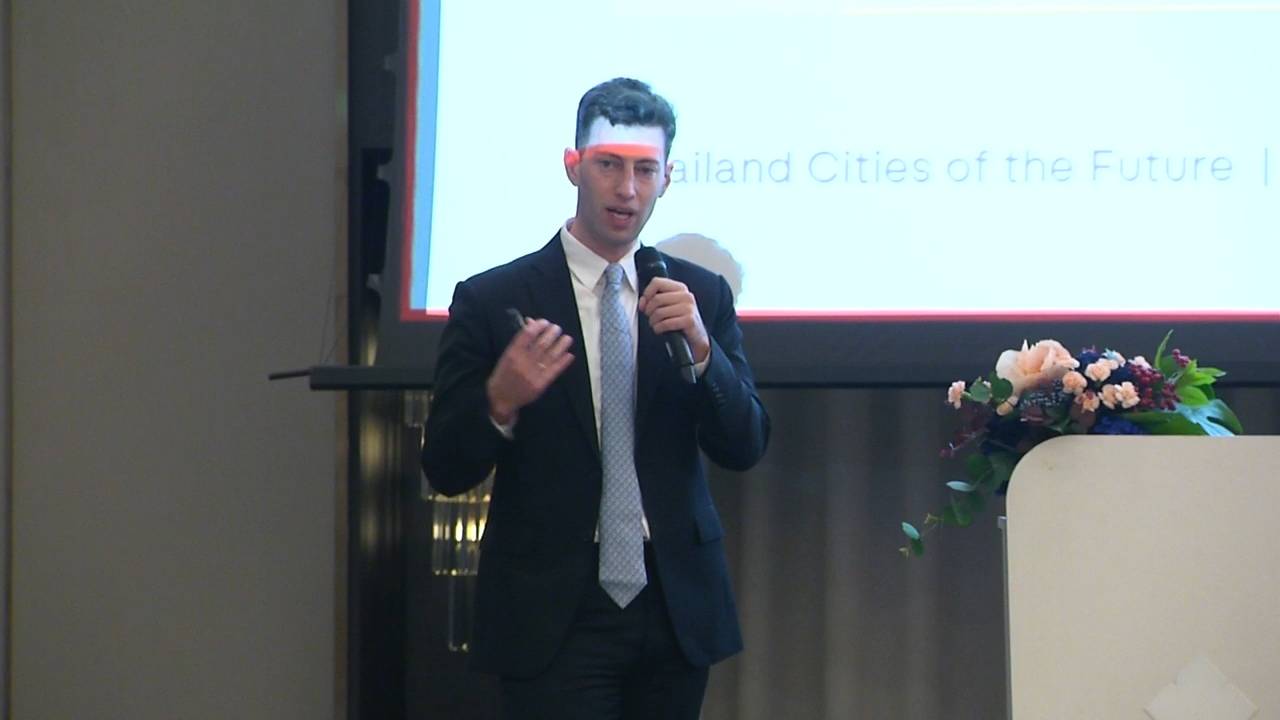
BANGKOK, Sept 23 (TNA) — Thailand needs to boost productivity in its secondary cities alongside Bangkok to reach high-income status by 2037, the World Bank said in a report released on Tuesday.
To hit its long-term development target, Thailand needs its per capita GDP to grow at an average annual rate of 5.4% over the next decade. Unlocking the productivity potential of regional cities will be crucial to achieving that goal, according to the report, titled "Thailand Cities of the Future: Urban Foundations for a High-Income Economy".
The report emphasizes that Thailand does not need to choose between Bangkok and the rest of the country.
"Bangkok will remain the country's main economic anchor and gateway to global markets. At the same time, stroger secondary cities can play larger and more complementary roles in supporing productivity, investment, and resilience across the country," said Alejandro Alcala Gerez, World Bank Operations Manager for Thailand and Myanmar.
Urban areas generated nearly 89% of Thailand’s GDP growth between 2010 and 2020, but economic activity remains heavily concentrated in the capital. Bangkok and its surrounding provinces account for nearly half of the country’s total economic output, with the capital’s population nearly 27 times larger than that of Chiang Mai, Thailand’s second-largest city.
However, this heavy concentration is bringing rising economic costs. Traffic congestion alone costs Bangkok between 7% and 10% of its Gross Regional Product (GRP) annually, on top of growing climate risks, while secondary cities across the country remain underutilized.
"Building Thailand’s cities of the future is not simply an urban planning agenda. It is an agenda for growth, competitiveness, jobs, and resilience," said Stephen Ndegwa, World Bank Division Director for Thailand and Myanmar.
To address the imbalance, experts call for a shift toward targeted, strategic spatial investments.
"The key is to invest more strategically," said Dr. Poon Thiengburanathum, Deputy Director for Planning and Strategic Management at the Program Management Unit on Area-Based Development (PMU-A). "Thailand can get more from its urban investments by concentrating complementary infrastructure and services in places where they reinforce a city's economic strengths, rather than spreadinf resources too thinly."
The report recommends a three-pronged strategy: enhancing Bangkok's economic productivity, building solid urban foundations across the country, and scaling up secondary cities with high economic potential. Effective implementation will require coordinating infrastructure, land use, and strong inter-agency partnerships to create favorable conditions for private sector investment and regional job creation.
The study was jointly prepared by the World Bank, PMU-A, and the Urban Design and Development Center (UDDC). - 819 (TNA)
