



World Bank, IMF see 'Small AI' as job engine for developing nations
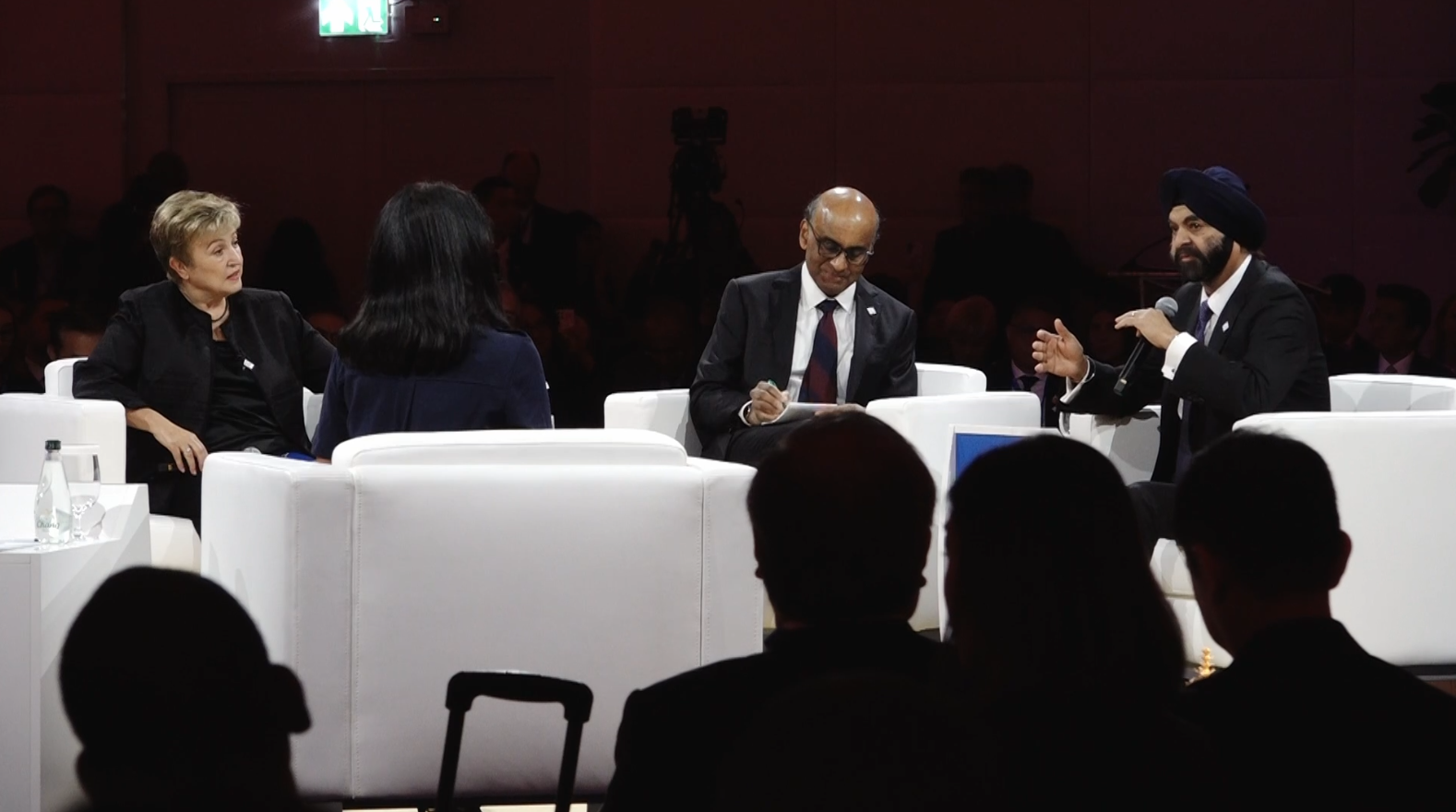
BANGKOK, Oct 12 (TNA) - Leaders of the World Bank and the International Monetary Fund (IMF) have advocated localized, low-resource artificial intelligence applications—dubbed "Small AI"—as a vital tool for driving employment and productivity in developing economies.
Speaking during a panel titled "Small AI: More and Better Jobs" at the institutions' annual meetings, global financial leaders underscored the need to adapt technology to the specific structural and labor demands of emerging markets.
Focusing on Localized Solutions
World Bank President Ajay Banga emphasized that job creation remains a top priority, with approximately 1.2 billion youths entering the global workforce over the next 15 years. Banga noted that developing and middle-income nations can leverage "Small AI" solutions tailored for local contexts in agriculture, healthcare, and education, rather than relying solely on high-cost Large Language Models (LLMs).
Singaporean President Tharman Shanmugaratnam warned of broader structural shifts and the risk of K-shaped economic divides affecting middle-tier workers. He highlighted three key areas of economic opportunity:
- Green Manufacturing and Energy: Renewable energy investments can generate up to three times more jobs than fossil fuels at equivalent capital levels.
- Healthcare Systems: A sector facing high labor demand where AI serves to augment rather than replace human workers.
- Solopreneurship: The rise of "one-person companies," enabled by low-cost AI tools that lower entry barriers for small-scale entrepreneurs.
Labor Market Disruptions and Fiscal Readiness
IMF Managing Director Kristalina Georgieva cautioned that AI will ultimately impact roughly 40% of jobs worldwide, affecting up to 60% of roles in advanced economies and 23% in low-income nations.
To mitigate displacement and maximize gains, the IMF recommended a three-pronged approach:
- Monitoring shifting labor and skill demands.
- Reforming education systems to champion lifelong learning.
- Ensuring fiscal readiness through updated tax structures and revenue collection frameworks.
The IMF estimates that successful AI adoption could boost economic growth in emerging Asian markets by 0.2% to 0.8%, provided nations secure adequate digital infrastructure, reliable power supplies, and robust cybersecurity safeguards. -819 (TNA)
