



Iraq’s Vision 2050 Sets Strategic Direction for Economic Diversification and Reduced Oil Dependence: Finance Minister
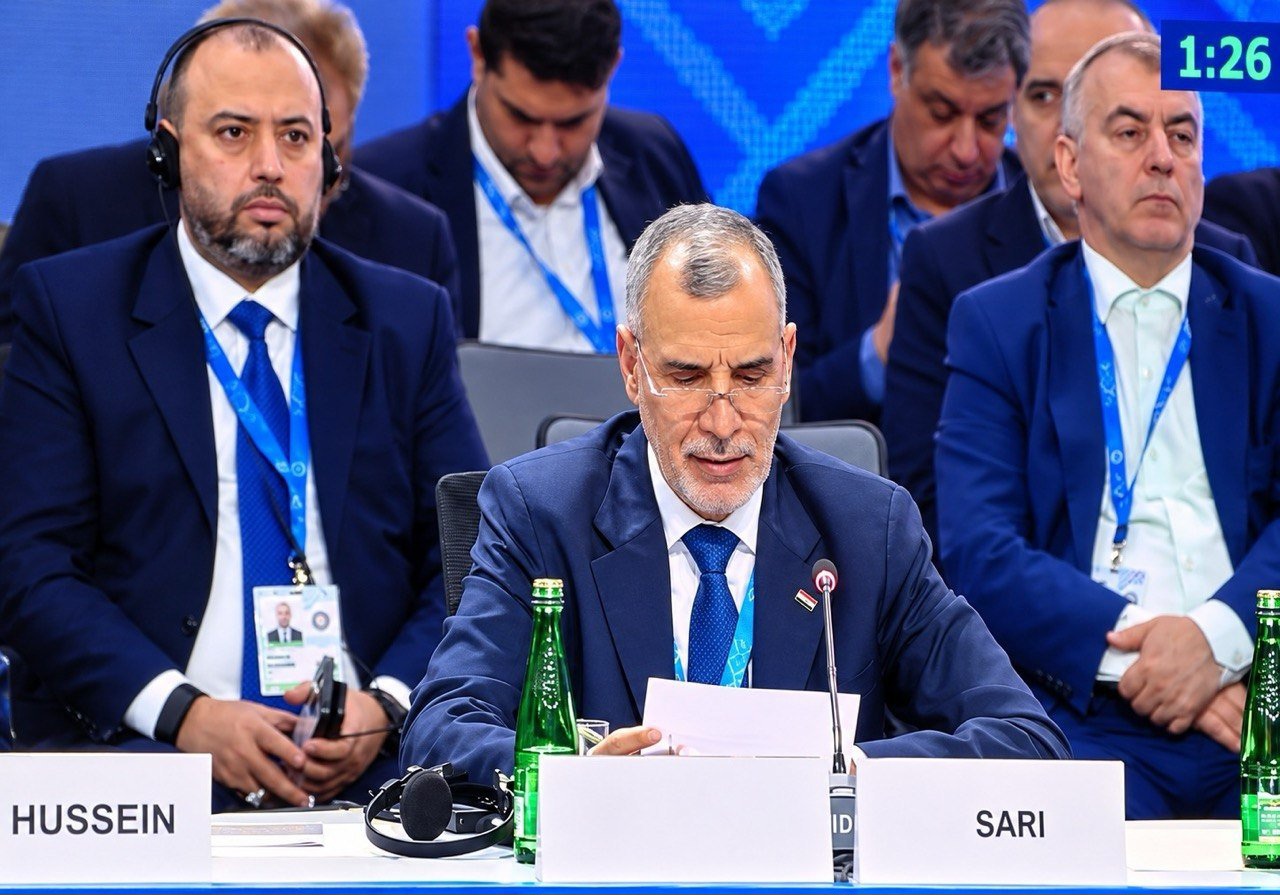
BAGHDAD / NINA / - Finance Minister Falih al-Sari has affirmed that Iraq’s Vision 2050 represents a strategic direction aimed at reducing dependence on oil, diversifying revenue sources, and broadening the country’s productive base to achieve inclusive and sustainable economic growth.
In a statement, the Ministry of Finance said al-Sari participated in the annual meetings of the International Monetary Fund (IMF) and the World Bank Group, held in Bangkok, the capital of Thailand.
Addressing the meetings, al-Sari said Iraq was committed to continuing its economic and fiscal reforms, diversifying revenue sources, and strengthening the role of the private sector in supporting economic stability and enhancing the country’s capacity to withstand regional challenges.
The minister highlighted the economic repercussions of disruptions to maritime traffic through the Strait of Hormuz, particularly their impact on oil exports, public revenues, and trade flows. He stressed that the government was working to manage current pressures by reprioritizing public expenditure, increasing non-oil revenues, and safeguarding the state’s core obligations while continuing to implement structural reforms.
Al-Sari emphasized that overcoming current challenges required a transition towards a more diversified and sustainable economy. He explained that Iraq’s Vision 2050 was designed to reduce reliance on oil, expand the productive base, empower the private sector, and deliver inclusive and sustainable economic growth.
The minister also outlined the main pillars of Iraq’s economic and fiscal reform agenda, including improving public financial management, digitizing customs and tax procedures, enhancing the business and investment climate, modernizing the banking sector, and expanding electronic payment systems. Other priorities include supporting the industrial and agricultural sectors, as well as small and medium-sized enterprises, to stimulate economic activity and create job opportunities, particularly for young people.
Al-Sari underscored the importance of cooperation with the IMF and the World Bank Group in supporting Iraq’s economic and fiscal reform programme. He also stressed the value of drawing on the technical expertise and institutional support provided by both organizations to strengthen fiscal sustainability and advance Iraq’s development priorities./End
