



Riyadh Advances Urban Transformation on World Cities Day
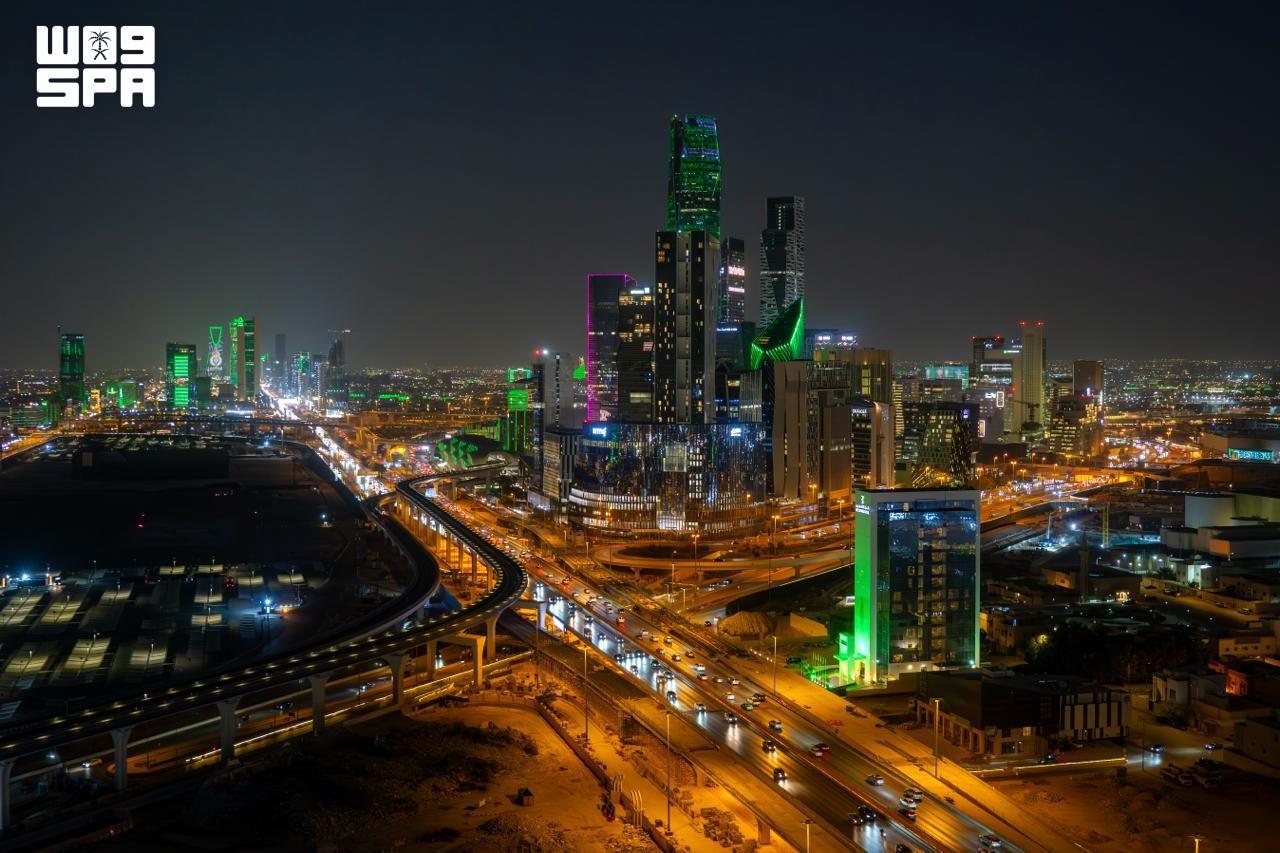
Riyadh, October 31, 2026, SPA -- Riyadh is undergoing a significant urban transformation, with major development projects reshaping the capital's landscape, upgrading its infrastructure, and bringing together architectural heritage, modern design, and sustainability.
These projects are creating a more integrated urban environment that responds to economic and social changes, improves quality of life, and supports Saudi Arabia's ambition to build more prosperous and competitive cities. The transformation coincides with World Cities Day, observed annually on October 31, an occasion of particular significance for Riyadh as major projects continue to reshape the city's urban structure.
These initiatives aim to strengthen connections between neighborhoods and key destinations, improve infrastructure and public spaces, expand greenery, and enhance transportation networks, making the capital more resilient and better prepared for future growth.
Riyadh's development reflects a shift in urban planning that goes beyond expanding outward or building upward. The city is reorganizing land use around transportation networks and public services, taking functional, environmental, and social needs into account. This approach strengthens connections between economic centers, residential neighborhoods, and cultural and entertainment destinations, creating a more cohesive urban environment.
As the city develops, Riyadh continues to preserve the historical and architectural landmarks that define its identity. Traditional buildings stand alongside contemporary developments, tracing the capital's evolution from Al-Masmak Palace and the historic Al-Dirah markets to the King Abdullah Financial District and other modern landmarks that have transformed its skyline.
Public transportation is central to this transformation. The King Abdulaziz Public Transport Project, which includes Riyadh Metro, is helping reshape mobility across the capital. The metro network comprises six lines spanning 176 kilometers and 85 stations, connecting economic centers and residential neighborhoods with educational institutions, public services, and key destinations.
Environmental sustainability is another priority, with efforts focused on restoring natural features and expanding green spaces. The Green Riyadh Program supports these goals through extensive tree planting, the development of green areas, urban landscape improvements, and the integration of environmental considerations into city planning.
King Salman Park is another major project redefining the role of public spaces in Riyadh. Combining natural landscapes with cultural, sports, and entertainment facilities, the park brings the outdoors into the heart of the city and creates more opportunities for community activities in open spaces.
Wadi Hanifah remains one of Riyadh's most prominent natural landmarks and an important part of its geographical identity. Its natural landscapes and rehabilitated areas demonstrate the value of preserving environmental resources and incorporating them into urban development, supporting ecological balance and providing open spaces that connect residents with their surroundings.
The Riyadh Art project is also enriching the capital's urban landscape by bringing creative works to public squares, streets, parks, and public facilities. These installations enhance the city's visual and cultural appeal while strengthening the connection between art, architecture, and everyday life.
This approach reflects a broader vision of urban development that extends beyond buildings and infrastructure to embrace the city's cultural and aesthetic character. Integrating art into public spaces adds a human dimension to the urban environment, encourages interaction among residents, and makes culture a central part of city life.
On World Cities Day, Riyadh reflects the meeting of past and present. Historic landmarks stand alongside modern architecture, transportation networks connect economic centers, and green spaces extend across the urban landscape, illustrating how the capital is combining its distinctive identity with continued development.
Through these projects and initiatives, Riyadh is building a city that goes beyond expanding infrastructure and constructing new facilities. Its transformation aims to balance urban efficiency, environmental sustainability, cultural richness, and social cohesion, drawing on its heritage while advancing its ambitions for the future.
-- SPA
